
01
Identify indoor-air health hazards
Establish an evidence-based framework for classifying sources and exposure routes of chemical and biological indoor-air pollution.
TwinAIR demonstrator
TwinAIR introduces a first-of-a-kind technological system designed to improve air quality across a wide spectrum of indoor living activities.
The project investigates how indoor air pollutants can affect the health of people occupying indoor spaces, supporting public health through community awareness and policy making.
What TwinAIR connects
Indoor and outdoor conditions, pollutants and sensor measurements
Exposure, individual health measurements and wellbeing context
Real-time data use, Digital Twins, analysis and response support
TwinAIR connects indoor environments, people and digital technology in one integrated ecosystem.
Our objectives
TwinAIR combines scientific investigation, technology development, real-world pilots and responsible data management to improve the understanding and management of indoor air quality.
Establish an evidence-based framework for classifying sources and exposure routes of chemical and biological indoor-air pollution.
Assess the parameters that influence indoor and outdoor air quality and model the factors shaping the indoor–outdoor continuum.
Promote TwinAIR modular software and hardware technologies as an integrated next-generation toolset for improving indoor air quality.
Investigate the synergistic effects of biological particles and chemical substances found in indoor environments.
Evaluate multipollutant and biological indoor exposures and associated health effects through real-life pilot demonstrations.
Support robust health-risk characterisation and the definition of desirable and acceptable indoor-air-quality conditions.
Develop an intelligent Digital Twin-based toolset for indoor-air-quality improvement and better-informed response.
Bring together best approaches and practices and develop guidance around indoor-air-quality findings and health impacts.
Contribute to open research data through responsible data management across the project lifecycle, following ethical and security standards.
TwinAIR use cases
Residencies
Workspaces
Transportation
Hospitals
Schools
Reference views from the locations and environments represented across the six TwinAIR pilot countries.

Spain
Madrid & Valencia
Pilot focus
Transportation · Workspaces
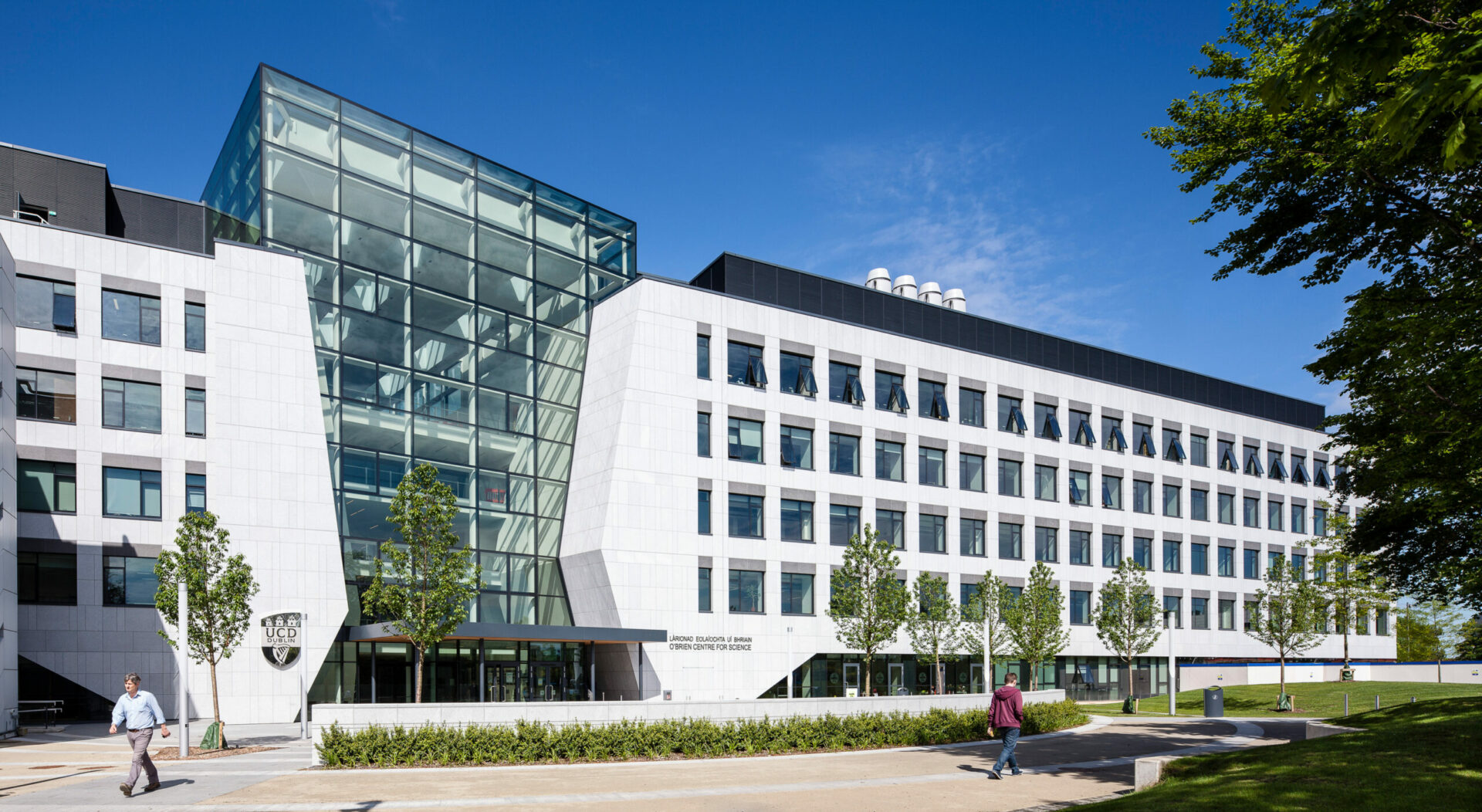
Ireland
Dublin & Greater Dublin Area
Pilot focus
Schools · Citizen science
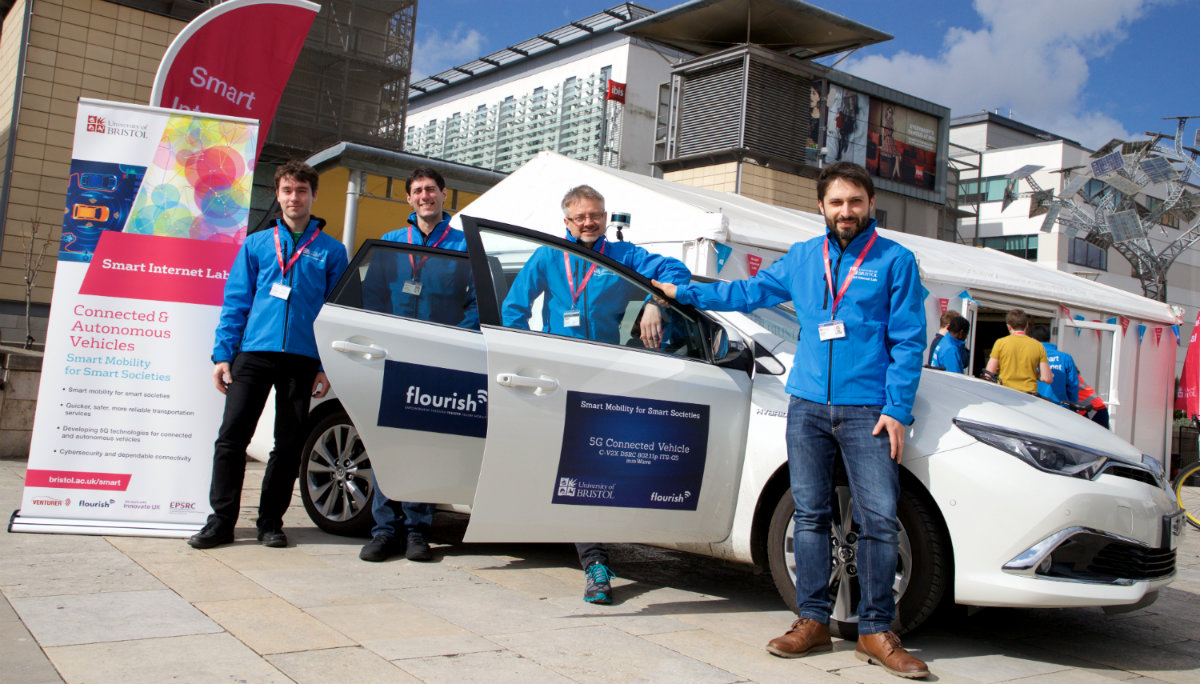
United Kingdom
Bristol
Pilot focus
Workplaces · Hospitals · Schools · Mobility
Sweden
Östergötland
Pilot focus
University campuses · Mobility
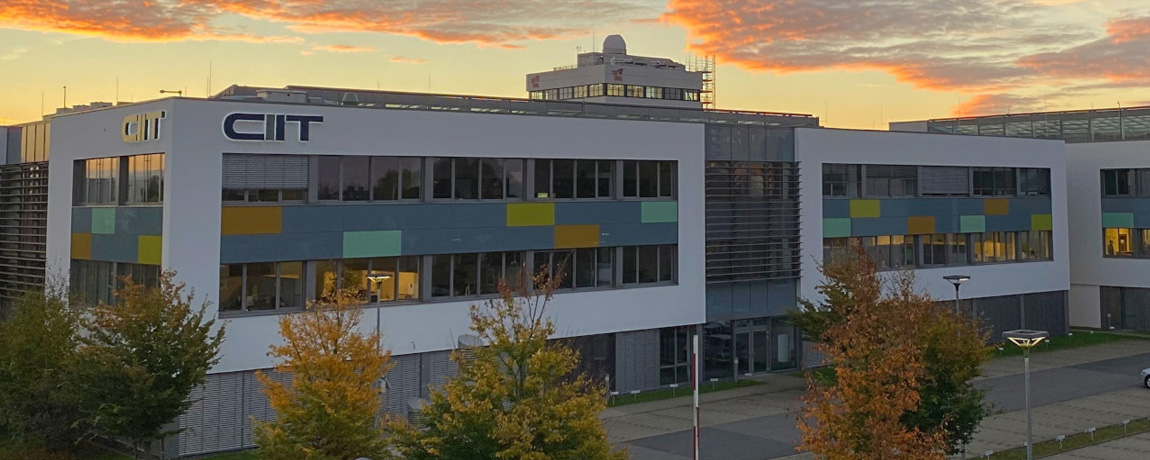
Germany
Lemgo
Pilot focus
CIIT workspaces · Building systems
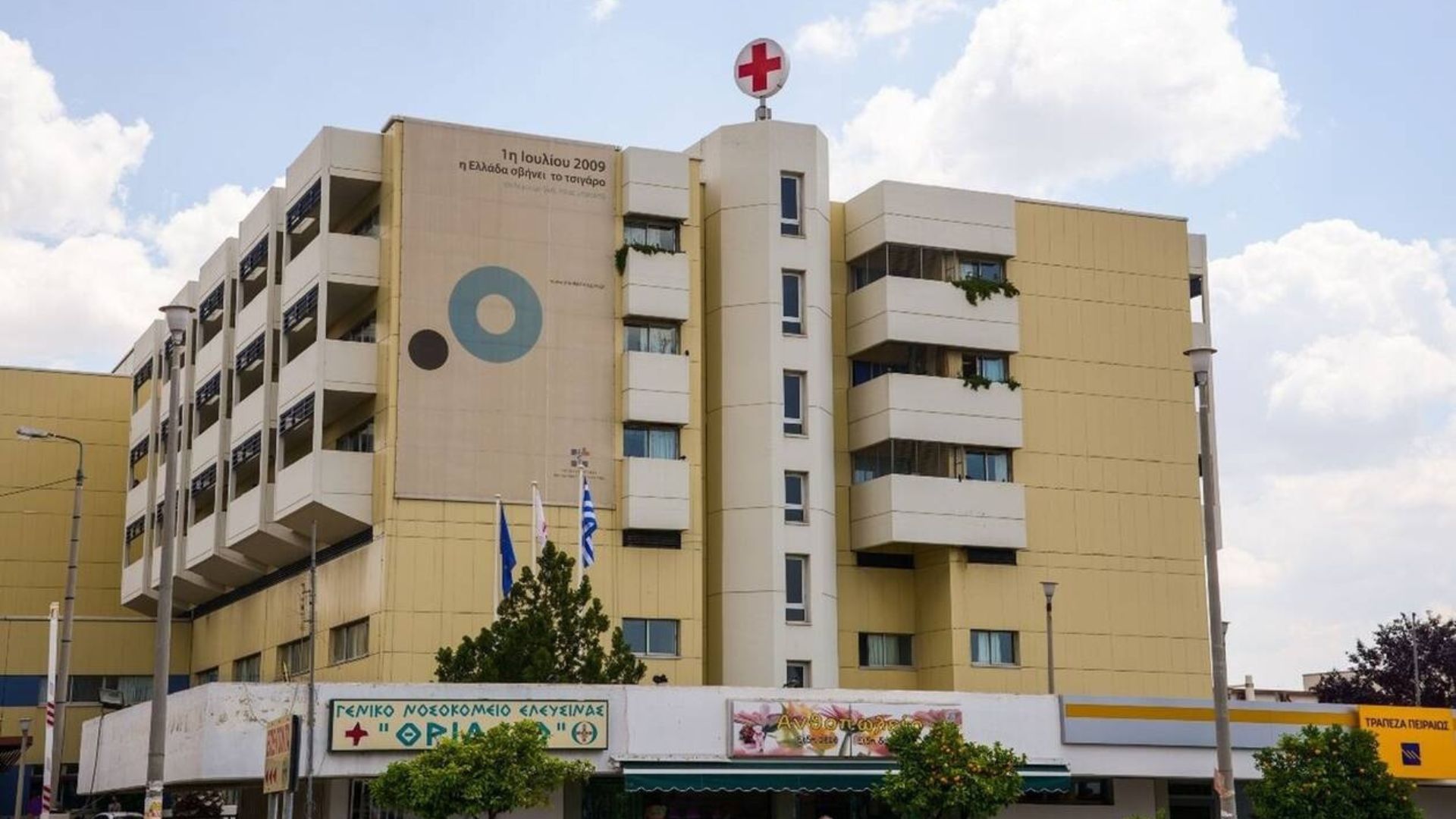
Greece
Trikala & Elefsina
Pilot focus
Municipal buildings · Hospital
Explore the demonstrator
Move from the project vision into the live demonstrator components and follow how observations become connected information and application-level insight.
Inspect NGSI-LD entities, attributes and time-series observations from the central TwinAIR data platform.
Explore pageSupport user participation, communication and engagement around indoor-air-quality information.
Explore pageConnect indoor-air-quality data with rooms, building spaces and operational conditions.
Explore pageCombine personal exposure, wearable data and activity information to support health-oriented assessments.
Explore page